In Conversation With Abi Meats, Founder of RUDE and CREATE
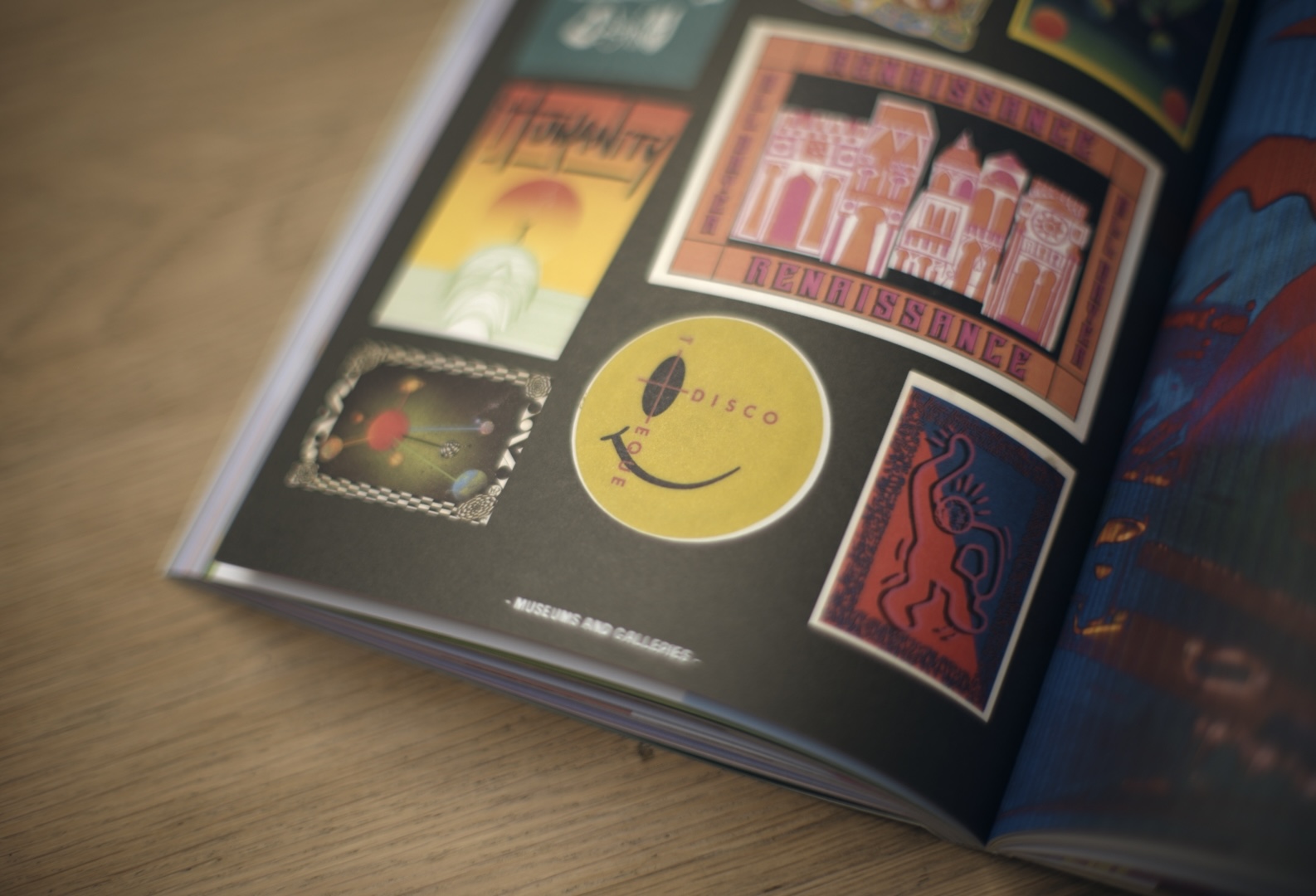
In Conversation with Abi Meats, co-founder of RUDE, a renowned London-based creative studio and screen-printing brand, established in 1998. Known for graphic, hand-drawn typography and playful, colourful designs, Abi has led projects for major brands, including Apple, Vogue, and the National Theatre.
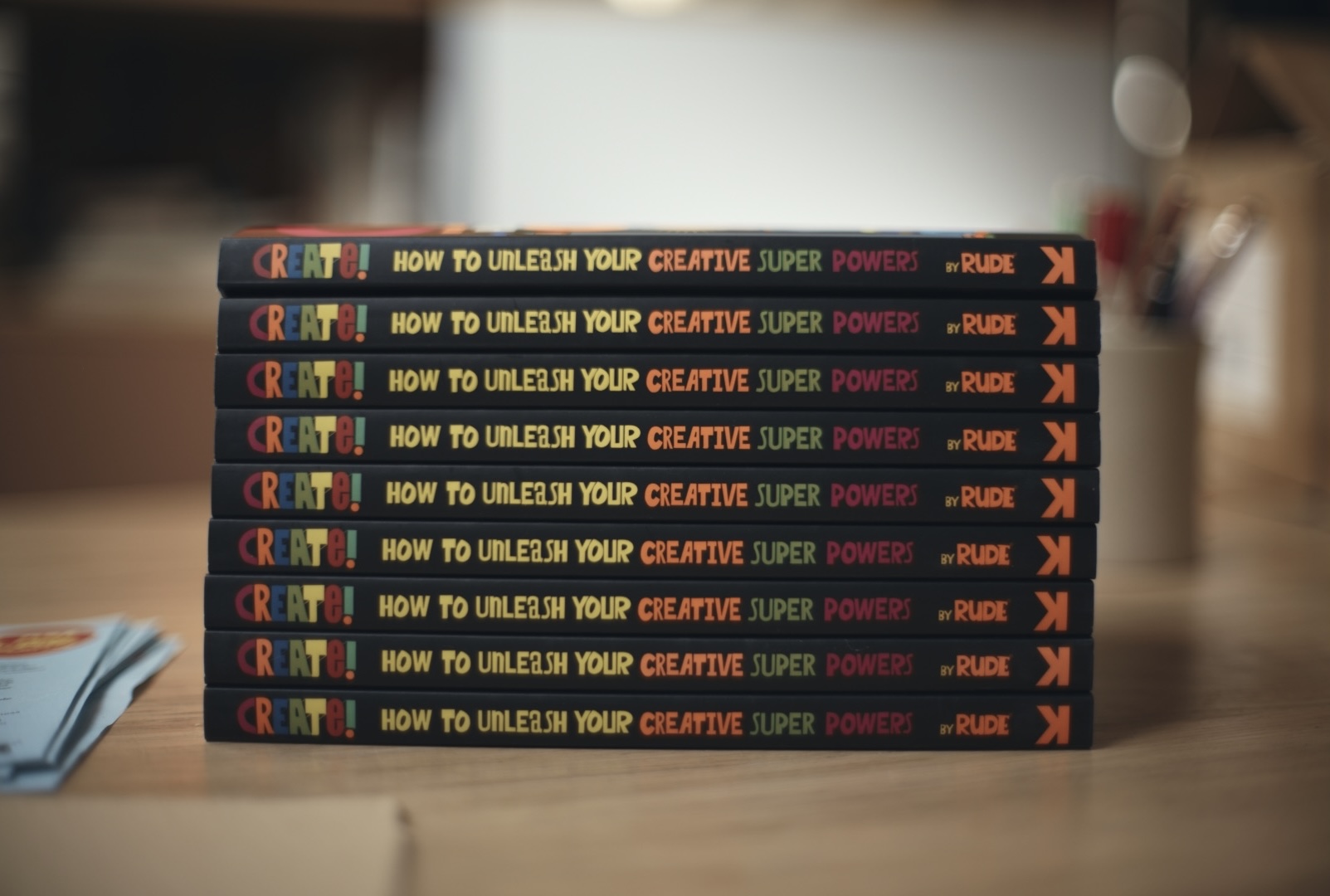
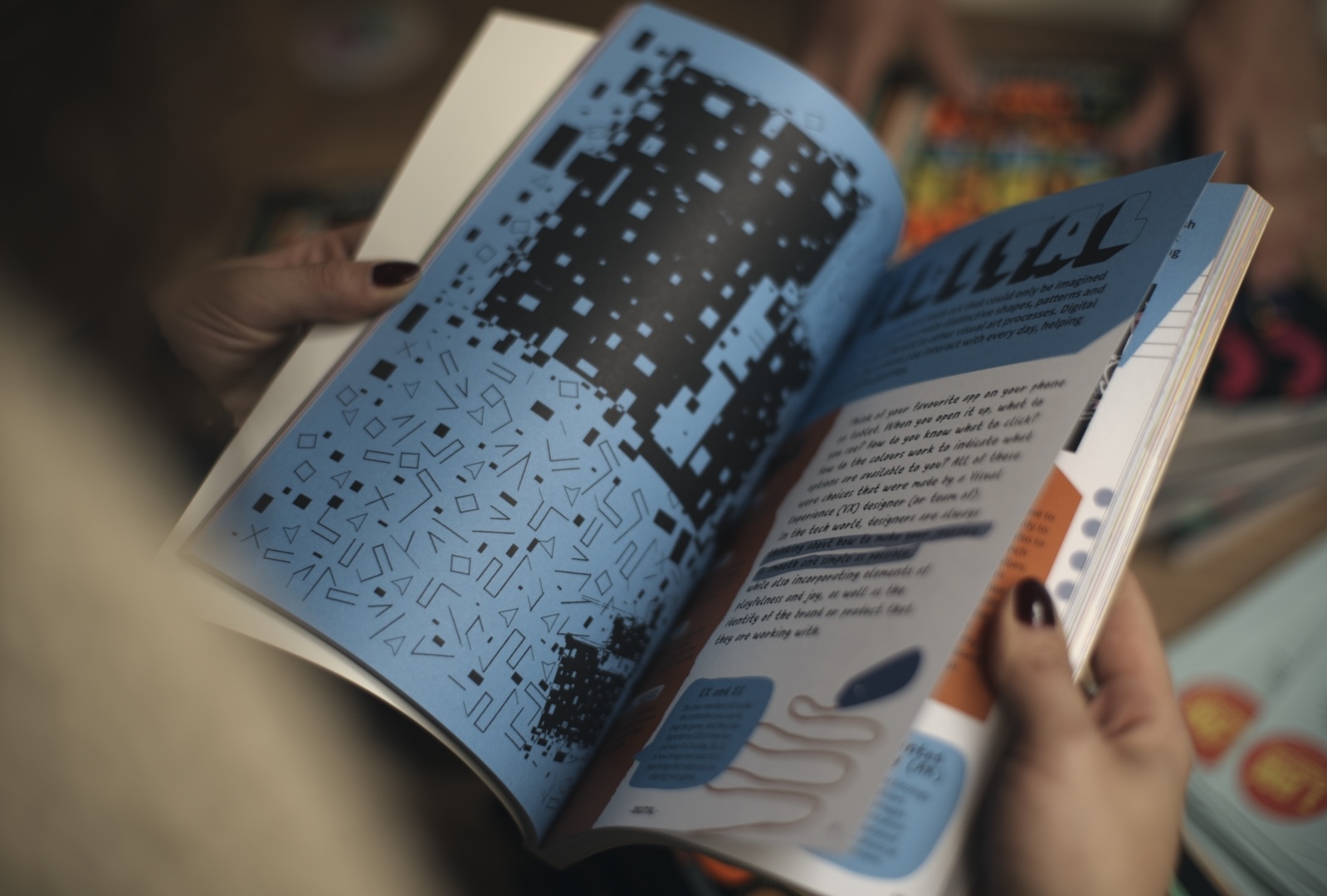
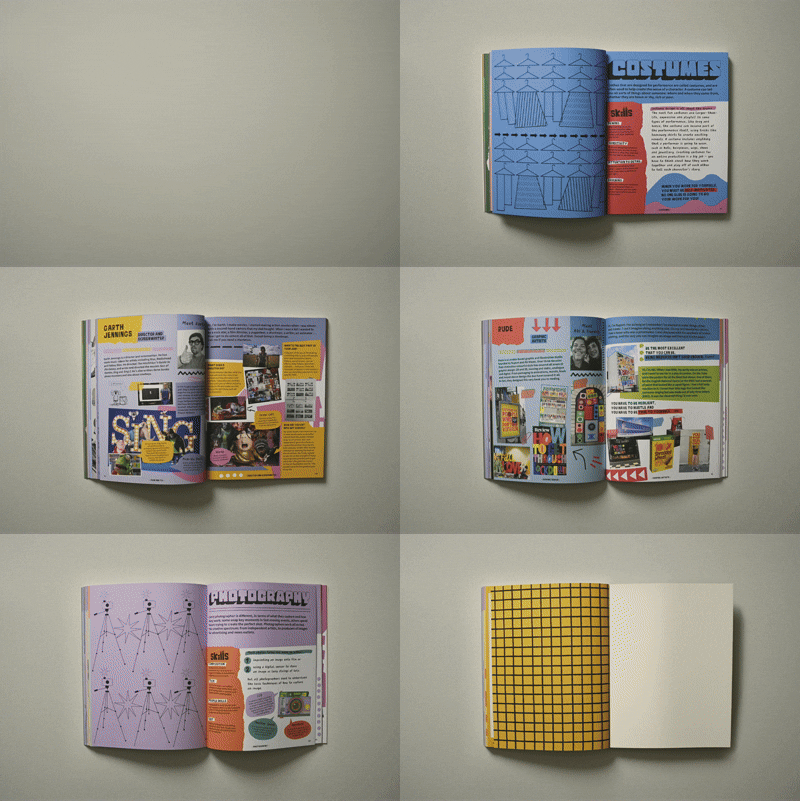
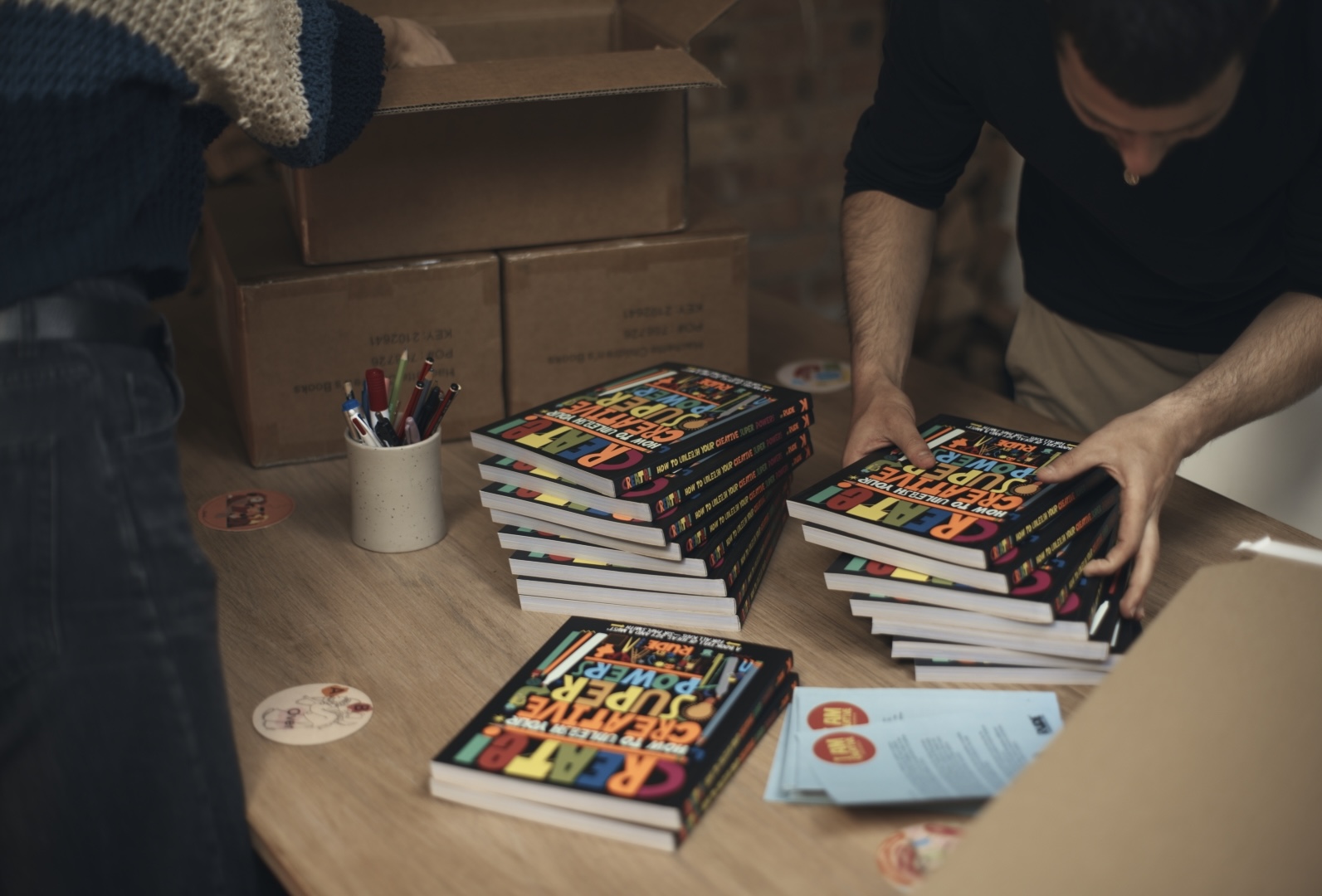
Abi is also the founder of CREATE, a bold Creative Careers handbook delivered by industry mentors, showing kids that professions in the creative industry could be for them. Published by Hachette and available worldwide, CREATE’s mission is to get a copy of the book into every school in the UK, so no child misses out.
Time Based Arts is proud to be the partner for Tower Hamlets, where the studio is based, and have sponsored and distributed the books to schools in the local area.
Here is a little bit more about Abi and why this initiative is so important.
Tell us a little bit more about your background, your practice and journey into the creative industry?
I studied Communication Design at university in Preston about four million years ago, before setting up a design studio called Rude with Rupert Meats in 1998. We’ve run the studio ever since, working on an incredibly varied range of projects with some of the best arts and cultural clients you could hope to collaborate with.
Running the studio has also given us the freedom to pursue our own projects and passions alongside client work. Throughout my career, I’ve worked across both the creative industries and the education sector, and that crossover is what ultimately led to my current project.
What inspired you to start CREATE?
It began when my kids went to school in the 2010’s and I noticed that art had stopped coming home at primary school. This was the result of the Ebaac system being introduced which stripped the arts from mandatory status.
So for the last 16 years our arts have zero funding and schools only with passionate arts staff have been teaching it.
I started an after school club which introduced the creative industries as potential professions to the kids. They loved it and I turned it into a book called CREATE which has now been published and distributed by Hachette. My aim is to get it into every school in the country.
You believe creativity is “a serious economic force", can you tell us more?
There is currently very little correlation between arts education and the multi-billion-pound creative industries that exist in the UK today. Yet those industries only became possible because generations of young people had access to free and ambitious arts education from the 1980s through to around 2010.
The UK’s culture of experimentation, creative freedom, play and exploration became world-renowned for producing some of the most innovative creative talent anywhere in the world. That talent has since become a major economic force for the country.
If you look at many of the world’s most successful modern companies, their value lies not in hardware or manufacturing, but in their IP, their ideas, storytelling, design, innovation and intellectual property. The UK’s creative exports contribute billions to the economy, yet we continue to treat creativity as a side dish in education, rather than recognising it as one of the main drivers of our future economy and cultural identity.
What lasting impact or change do you hope this initiative will have on the future of the creative industry?
I have huge dreams for the change I’d love this to create. At its simplest, I want creative education to feel more like the one I experienced growing up — open, ambitious, exploratory and full of possibility.
As a working-class girl and the first person in my family to go to university, I’ve always been incredibly grateful for a creative education. It gave me the confidence to dream bigger, imagine different futures and believe I could make change happen.
I also think the scope of creativity has expanded exponentially through technology and software, particularly AI. If we embrace these tools positively and responsibly, we have an opportunity to focus more of our energy on bettering ourselves, solving real problems and being kinder to one another.
My hope is that we create lives that feel more human again — with more time for play, experimentation and making mistakes, because that’s how we truly discover ourselves, grow and heal. The sooner education moves away from memorisation alone and towards curiosity, imagination and creative thinking, the better prepared we’ll be for the future.
Finally, who else is involved in the initiative and how can people support CREATE?
The book began as a crowdfunder, raising £12k, which was then match funded by Joseph Joseph. Since then, Time Based Arts, BBH, Saatchi & Saatchi, Uncommon, Ravensbourne University London, D&AD and IPA have all been huge supporters, with the IPA giving us the opportunity to take the project to Parliament.
An incredible group of art teachers have generously given their time, insight and experience to help us understand the realities on the ground and the challenges being faced in schools. We’ve also been championed by people such as Holly Tucker and Vicky Harper, alongside the tireless support of friends and family throughout what has been a long journey.
We need all the support we can get and there are some exciting things in the pipeline. We need exposure and money to make creativity mandatory in schools, so all help is gratefully received.
Find out more about CREATE here.
You can purchase books here or email abimeats@thisisrude.com for bespoke orders to a specific borough.